Common Orthodontic Problems
Recognize your smile in any of these? Every one of them is treatable, and Dr. Brieden has experience correcting them all.
Misalignments of the teeth and jaws (called malocclusions) vary from patient to patient, and it's possible to have more than one at the same time. Here are the most common problems we treat. To see real corrected cases, visit our common treatments page, and if you suspect one of these in your child, our when to see an orthodontist guide covers the timing.
The conditions we treat
Crossbite
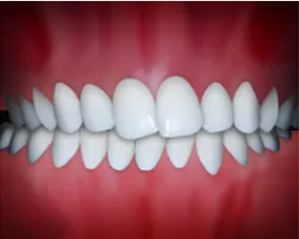
The upper teeth sit inside the lower teeth, which may cause tooth stratification and misaligned jaw growth. To close the mouth, patients usually move the lower jaw forward or to the side, improper jaw use that can even bring about facial asymmetry. Often corrected early with a palatal expander.
Underbite
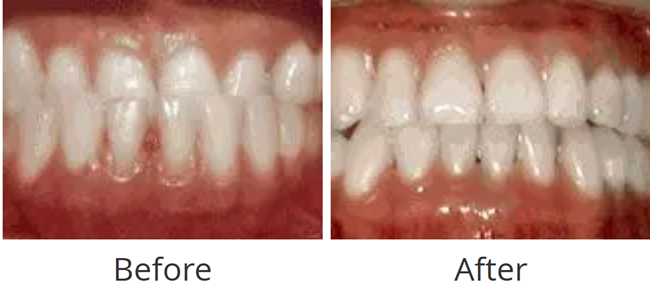
An underbite is characterized by the lower jaw extending too far out, causing the lower front teeth to sit in front of the upper front teeth. Underbites affect both the appearance and the function of the bite, and often benefit from early evaluation while the jaw is still growing.
Upper Front Teeth Protrusion
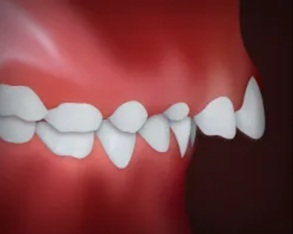
The appearance and function of your teeth are impacted by this type of bite, characterized by the upper teeth extending too far forward, or the lower teeth not extending far enough forward. Protruding front teeth are also at higher risk of chips and damage from falls.
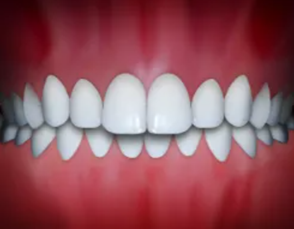
Overbite
The upper front teeth extend too far out over the lower front teeth, sometimes causing the lower front teeth to bite into the roof of the mouth. Problems often associated with an overbite include a "gummy" smile, protruding lips, and excessive wear on the front teeth.
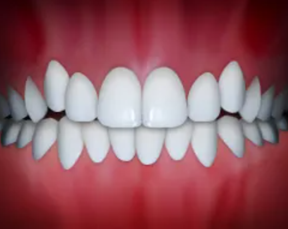
Crowding
Crowding occurs when teeth don't have enough room to erupt from the gum, leaving them overlapped, rotated, or pushed out of line. Depending on severity, crowding can be corrected with early expansion or braces, creating room for a straight, healthy alignment.
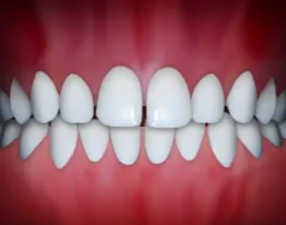
Spacing
Gaps between the teeth may be caused by missing teeth, small teeth, or simply how the teeth came in, and for some patients it's primarily a cosmetic concern. Braces and clear aligners both close spacing effectively.
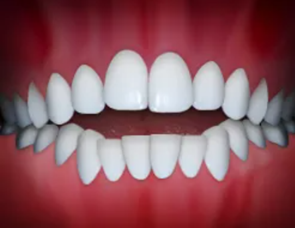
Open Bite
In an open bite, the upper and lower front teeth don't overlap properly, often leaving a visible opening even when the mouth is closed. Proper chewing is impacted, and an open bite can encourage unwanted habits like tongue thrusting.
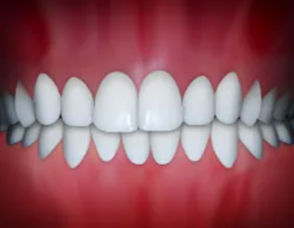
Dental Midlines Not Matched
When the center lines of the upper and lower teeth don't line up, the back bite doesn't fit together the way it should, which can negatively impact the jaw and proper dental function over time.
See Something Familiar?
A consultation is the only way to know for sure what's going on, and what it would take to fix it. Schedule yours at our New Baltimore or East China office.
Request an Appointment